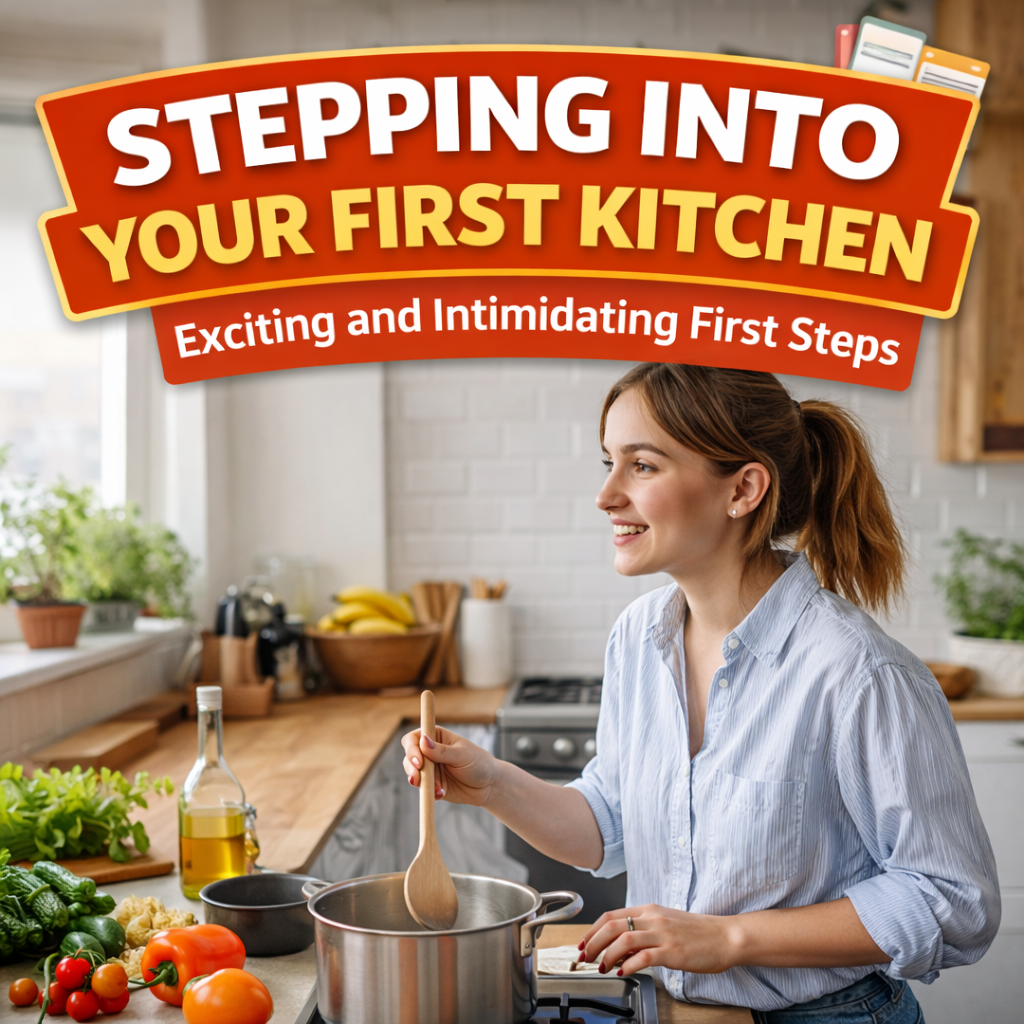
Stepping into your first kitchen can feel exciting and intimidating all at once. You want to cook real meals, save money, and maybe even impress a few people—but it’s easy to get overwhelmed by shelves of gadgets you’ll probably never use. The good news: you don’t need a fully stocked culinary studio to cook well. With a focused set of must-have tools, you can make 90% of everyday recipes easily and confidently.
This guide walks you through the essential kitchen tools for beginners—what you truly need, why it matters, how to choose good ones, and how to use them with simple recipe ideas to get started.
---
## 1. Knives: The Foundation of Every Kitchen
If you invest in only one area, make it knives. Good knives make cooking faster, safer, and far more enjoyable.
### Essential knives for beginners
You don’t need a giant knife block. Start with:
1. **Chef’s knife (8-inch)**
- Your main workhorse: chopping vegetables, slicing meat, mincing herbs.
- Look for: a comfortable handle, balanced weight, and a blade that feels stable in your hand.
2. **Paring knife (3–4 inches)**
- Great for small tasks: peeling, trimming, hulling strawberries, mincing garlic.
3. **Serrated knife (bread knife)**
- For slicing bread, tomatoes, and anything with a tough exterior and soft interior.
### Basic knife tips
- **Keep them sharp.** Dull knives are more dangerous because they slip. Use a honing steel regularly and get them professionally sharpened once or twice a year, or learn to use a whetstone.
- **Use a proper cutting board.** Wood or plastic is best. Glass and granite will dull your knives quickly.
- **Learn a safe grip.** Pinch the blade where it meets the handle with your thumb and index finger; wrap the rest of your fingers around the handle. Curl the fingers of your other hand into a “claw” to protect them while chopping.
### Simple recipe to practice knife skills: One-Pan Roasted Veggie Medley
**Ingredients**
- 2 carrots
- 1 bell pepper
- 1 zucchini
- 1 small red onion
- 2 tbsp olive oil
- 1 tsp salt
- ½ tsp black pepper
- 1 tsp dried Italian herbs or thyme
**Steps**
1. Preheat oven to 400°F (200°C).
2. Chop all vegetables into similar-sized chunks (about 1-inch pieces).
3. Toss with olive oil, salt, pepper, and herbs.
4. Spread in a single layer on a baking sheet.
5. Roast 20–25 minutes, stirring once, until tender and lightly browned.
You’ll get great practice with slicing, dicing, and chopping—and a delicious side dish.
---
## 2. Cutting Boards: Your Work Surface
A good cutting board protects your knives and your countertops, and keeps your workspace organized.
### What to look for
- **Material:**
- *Wood:* Gentle on knives, feels sturdy. Needs hand-washing and occasional oiling.
- *Plastic:* Affordable, lightweight, dishwasher-safe. Good for raw meat and fish.
- **Size:**
- Aim for at least 12" x 18" (30 x 45 cm). Too small and you’ll feel cramped.
- **Stability:**
- If your board slips, put a damp kitchen towel or non-slip mat underneath.
### Practical tip
Use one board for produce and cooked foods, and a separate plastic board for raw meat to reduce cross-contamination.
---
## 3. Pots and Pans: The Core Cookware Set
You don’t need a dozen pans. A small, thoughtful set can cook almost anything.
### Must-have pans
1. **10–12 inch nonstick skillet**
- For eggs, pancakes, sautéed vegetables, stir-fries, and quick dinners.
- Use only silicone, wood, or plastic utensils to avoid scratching.
2. **10–12 inch stainless steel skillet or sauté pan**
- Great for searing meat, pan sauces, and browning.
- More durable than nonstick and can go in the oven (check handle and manufacturer’s guidelines).
3. **Medium saucepan (2–3 quarts/liters)**
- For rice, pasta, sauces, soups for 1–3 people, reheating leftovers.
4. **Large pot or Dutch oven (5–6 quarts/liters)**
- For big batches of soup, chili, stews, boiling pasta, braising meats.
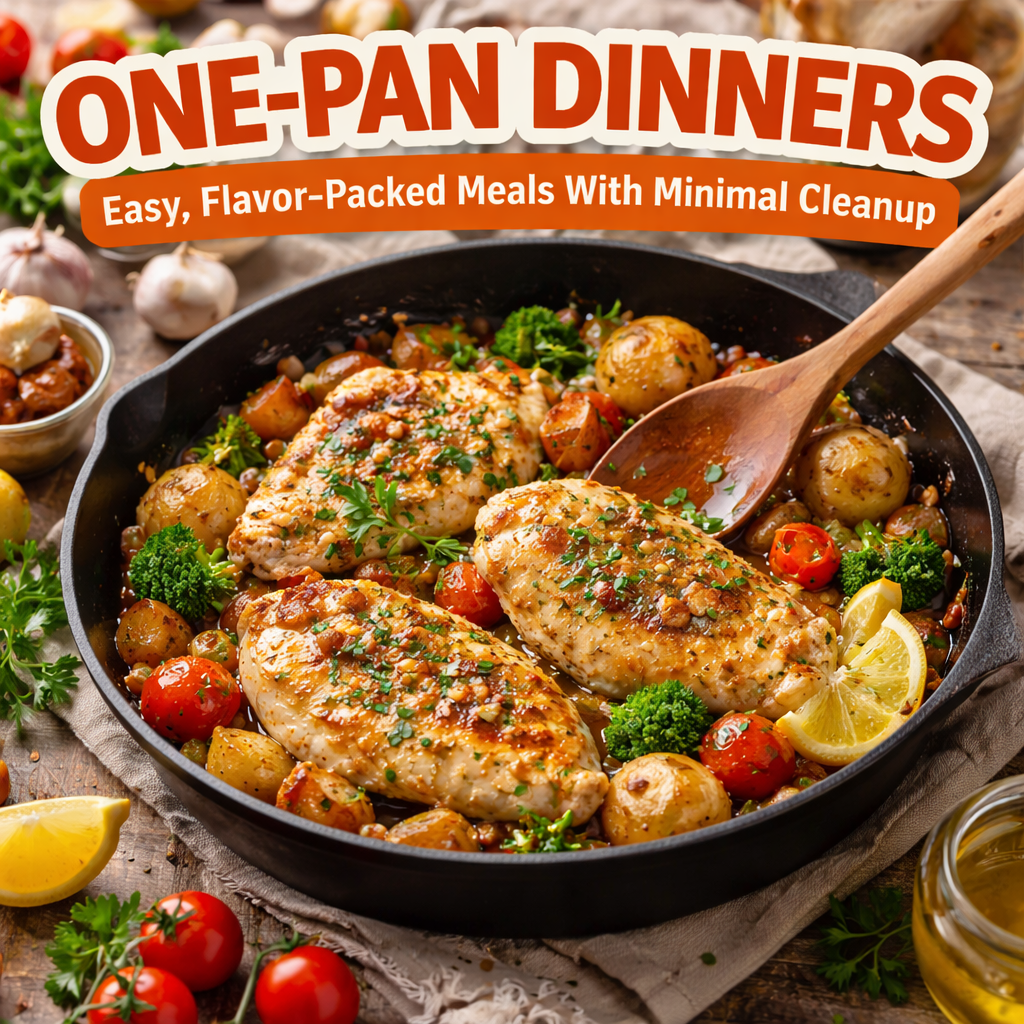
### Simple one-pan beginner recipe: Skillet Chicken with Garlic and Lemon
**Ingredients**
- 2 chicken thighs or breasts (boneless, skinless)
- 1 tbsp olive oil
- ½ tsp salt
- ¼ tsp black pepper
- 2 cloves garlic, minced
- Juice of ½ lemon
- ¼ cup water or chicken broth
**Steps**
1. Heat skillet over medium-high heat; add olive oil.
2. Season chicken with salt and pepper.
3. Add chicken to the hot pan; cook 4–5 minutes per side until browned.
4. Lower heat to medium-low. Add garlic; cook 30 seconds.
5. Add lemon juice and water/broth, scraping up browned bits.
6. Cover and simmer 3–5 minutes until chicken is cooked through.
Serve with rice or roasted vegetables.
---
## 4. Essential Utensils: The Everyday Helpers
These are the tools you’ll reach for constantly.
### Must-have utensils
- **Wooden or silicone spoons**
- For stirring sauces, soups, and sautéing without scratching pans.
- **Spatulas**
- *Silicone spatula:* For scraping bowls, folding batter, stirring thicker sauces.
- *Thin, flexible spatula (fish or metal spatula):* For flipping eggs, burgers, fish.
- **Tongs**
- Think of them as “heatproof fingers.” Perfect for turning food in a pan, serving pasta, flipping vegetables in the oven.
- **Ladle**
- For serving soup, stew, and sauces.
- **Whisk**
- For beating eggs, mixing dressings, and smoothing out sauces.
- **Can opener**
- A basic but crucial tool. Choose a sturdy manual one.
- **Peeler**
- A sharp vegetable peeler saves time and frustration with potatoes, carrots, and more.
### Quick no-cook recipe to use your whisk: Simple Vinaigrette
**Ingredients**
- 3 tbsp olive oil
- 1 tbsp vinegar (red wine, apple cider, or balsamic)
- ½ tsp Dijon mustard (optional but recommended)
- Pinch of salt and pepper
**Steps**
1. In a small bowl, whisk vinegar, mustard, salt, and pepper.
2. Slowly drizzle in olive oil while whisking until thickened slightly.
3. Taste and adjust seasoning.
Toss with salad, drizzle over roasted vegetables, or use as a quick marinade.
---
## 5. Measuring Tools: Cooking with Confidence
Guessing is fine sometimes, but accurate measuring helps you build reliable skills and repeat successes, especially in baking.
### Must-have measuring tools
- **Measuring cups (dry)**
- For flour, sugar, rice, oats, etc. Usually come as a nested set.
- **Measuring spoons**
- For salt, spices, baking powder, vanilla, etc.
- **Liquid measuring cup (1 or 2 cups)**
- Glass or clear plastic with markings on the side for water, milk, broth, oils.
### Basic measuring tips
- Level off dry ingredients like flour and sugar with a straight edge (back of a knife).
- Read liquid measurements at eye level.
- Don’t pack flour unless a recipe specifically says so; just scoop and level.
### Beginner-friendly baking recipe: One-Bowl Banana Muffins
**Ingredients (makes ~12 muffins)**
- 3 ripe bananas, mashed
- ⅓ cup melted butter or neutral oil
- ½ cup sugar
- 1 egg
- 1 tsp vanilla extract
- 1 tsp baking soda
- Pinch of salt
- 1 ½ cups all-purpose flour
**Steps**
1. Preheat oven to 350°F (175°C). Line muffin tin with liners or grease lightly.
2. In a bowl, mash bananas. Stir in melted butter/oil.
3. Add sugar, egg, and vanilla; mix well.
4. Sprinkle baking soda and salt over the mixture; stir in.
5. Add flour and gently mix just until combined (don’t overmix).
6. Fill muffin cups about ¾ full.
7. Bake 18–22 minutes, until a toothpick comes out clean.
You’ll practice measuring and mixing without needing a mixer.
---
## 6. Mixing Bowls and Food Storage
You’ll need containers for combining ingredients and storing leftovers.
### Mixing bowls
- Get a set of **nesting bowls** in various sizes (small, medium, large).
- Stainless steel or glass are versatile and durable.
- Large bowl: mixing dough, tossing salads.
- Medium bowl: marinating meats, mixing batters.
- Small bowl: beating eggs, mixing dressings.
### Food storage containers
- A few **lidded containers** (glass or BPA-free plastic) help with:
- Leftovers
- Prepped vegetables
- Marinated meats
- Choose stackable shapes to save space.
---
## 7. Baking Essentials: Sheet Pans, Trays, and More
Even if you don’t bake desserts often, basic “baking” tools are used for roasting, reheating, and toasting.
### Must-have baking tools
- **Sheet pan (baking tray)**
- A sturdy, rimmed sheet pan is essential for roasting vegetables, baking chicken, and making cookies.
- **Oven-safe baking dish** (8x8 or 9x13 inches / 20x20 or 23x33 cm)
- For casseroles, lasagna, baked pasta, brownies, and roasted chicken pieces.
- **Cooling rack** (optional but helpful)
- For cooling baked goods, draining fried foods, or resting roasted meat.
### Simple sheet pan dinner: Roasted Sausage and Veggies
**Ingredients**
- 2 sausages (Italian, chicken, or your choice), sliced into rounds
- 2 potatoes, chopped into 1-inch pieces
- 1 bell pepper, sliced
- 1 small onion, sliced
- 2 tbsp olive oil
- 1 tsp salt
- ½ tsp black pepper
- 1 tsp dried herbs (oregano, thyme, or mixed herbs)
**Steps**
1. Preheat oven to 400°F (200°C).
2. Toss potatoes, pepper, and onion with olive oil, salt, pepper, and herbs.
3. Spread on a sheet pan. Scatter sausage pieces on top.
4. Roast 25–30 minutes, stirring once, until potatoes are tender and sausage is browned.
One pan, minimal cleanup, and a complete meal.
---
## 8. Colander, Strainer, and Sieve
You’ll drain, rinse, and strain more often than you think.
### Must-have items
- **Colander**
- For draining pasta, rinsing beans, washing fruits and vegetables.
- Choose a sturdy plastic or metal one that sits securely in the sink.
- **Fine-mesh strainer (small or medium)**
- For rinsing rice, straining sauces, dusting powdered sugar, or draining canned tuna.
### Practical tip: Perfectly rinsed rice
Before cooking rice, place it in a fine-mesh strainer and rinse under cold water, stirring with your hand, until the water runs mostly clear. This removes excess starch and helps rice cook up less sticky (unless you want sticky rice).
---
## 9. Thermometer, Timer, and Safety Basics
Cooking isn’t just about taste—it’s also about safety.
### Instant-read thermometer
An instant-read thermometer is extremely helpful for beginners:
- Ensures chicken and meat are cooked safely.
- Prevents overcooking (dry chicken, tough steak).
**Basic internal temperature guide (USDA standards):**
- Chicken: 165°F (74°C)
- Ground meats: 160°F (71°C)
- Whole cuts of beef, pork, lamb: 145°F (63°C) + rest for 3 minutes
- Fish: 145°F (63°C) or until opaque and flakes easily
### Timer
You can use your phone, but a simple kitchen timer keeps you focused and prevents burnt food.
- Set it for boiling eggs, baking, simmering soups, or steeping tea.
---
## 10. Optional but Very Helpful Tools
Once you have the basics, a few extra tools can significantly improve convenience.
### Microplane or grater
- For grating cheese, zesting citrus, or finely grating garlic and ginger.
### Immersion (stick) blender
- Great for pureeing soups directly in the pot, blending smoothies, or making sauces without a big blender.
### Kitchen shears
- For cutting herbs, trimming meat, opening packages, and snipping pizza slices in a pinch.
---
## 11. How to Build Your Kitchen Gradually
You don’t need to buy everything at once. A smart way to build your kitchen:
1. **Start with the core set**
- Chef’s knife
- Cutting board
- Nonstick skillet
- Medium saucepan
- Sheet pan
- Measuring cups and spoons
- Mixing bowl
- Wooden spoon, spatula, tongs
- Colander
- Can opener
2. **Add tools as recipes demand them**
- If you try a soup recipe, you’ll realize you want a larger pot.
- If you bake more, you’ll want additional pans and a whisk.
3. **Invest slowly in
This guide walks you through the essential kitchen tools for beginners—what you truly need, why it matters, how to choose good ones, and how to use them with simple recipe ideas to get started.
---
## 1. Knives: The Foundation of Every Kitchen
If you invest in only one area, make it knives. Good knives make cooking faster, safer, and far more enjoyable.
### Essential knives for beginners
You don’t need a giant knife block. Start with:
1. **Chef’s knife (8-inch)**
- Your main workhorse: chopping vegetables, slicing meat, mincing herbs.
- Look for: a comfortable handle, balanced weight, and a blade that feels stable in your hand.
2. **Paring knife (3–4 inches)**
- Great for small tasks: peeling, trimming, hulling strawberries, mincing garlic.
3. **Serrated knife (bread knife)**
- For slicing bread, tomatoes, and anything with a tough exterior and soft interior.
### Basic knife tips
- **Keep them sharp.** Dull knives are more dangerous because they slip. Use a honing steel regularly and get them professionally sharpened once or twice a year, or learn to use a whetstone.
- **Use a proper cutting board.** Wood or plastic is best. Glass and granite will dull your knives quickly.
- **Learn a safe grip.** Pinch the blade where it meets the handle with your thumb and index finger; wrap the rest of your fingers around the handle. Curl the fingers of your other hand into a “claw” to protect them while chopping.
### Simple recipe to practice knife skills: One-Pan Roasted Veggie Medley
**Ingredients**
- 2 carrots
- 1 bell pepper
- 1 zucchini
- 1 small red onion
- 2 tbsp olive oil
- 1 tsp salt
- ½ tsp black pepper
- 1 tsp dried Italian herbs or thyme
**Steps**
1. Preheat oven to 400°F (200°C).
2. Chop all vegetables into similar-sized chunks (about 1-inch pieces).
3. Toss with olive oil, salt, pepper, and herbs.
4. Spread in a single layer on a baking sheet.
5. Roast 20–25 minutes, stirring once, until tender and lightly browned.
You’ll get great practice with slicing, dicing, and chopping—and a delicious side dish.
---
## 2. Cutting Boards: Your Work Surface
A good cutting board protects your knives and your countertops, and keeps your workspace organized.
### What to look for
- **Material:**
- *Wood:* Gentle on knives, feels sturdy. Needs hand-washing and occasional oiling.
- *Plastic:* Affordable, lightweight, dishwasher-safe. Good for raw meat and fish.
- **Size:**
- Aim for at least 12" x 18" (30 x 45 cm). Too small and you’ll feel cramped.
- **Stability:**
- If your board slips, put a damp kitchen towel or non-slip mat underneath.
### Practical tip
Use one board for produce and cooked foods, and a separate plastic board for raw meat to reduce cross-contamination.
---
## 3. Pots and Pans: The Core Cookware Set
You don’t need a dozen pans. A small, thoughtful set can cook almost anything.
### Must-have pans
1. **10–12 inch nonstick skillet**
- For eggs, pancakes, sautéed vegetables, stir-fries, and quick dinners.
- Use only silicone, wood, or plastic utensils to avoid scratching.
2. **10–12 inch stainless steel skillet or sauté pan**
- Great for searing meat, pan sauces, and browning.
- More durable than nonstick and can go in the oven (check handle and manufacturer’s guidelines).
3. **Medium saucepan (2–3 quarts/liters)**
- For rice, pasta, sauces, soups for 1–3 people, reheating leftovers.
4. **Large pot or Dutch oven (5–6 quarts/liters)**
- For big batches of soup, chili, stews, boiling pasta, braising meats.
### Simple one-pan beginner recipe: Skillet Chicken with Garlic and Lemon
**Ingredients**
- 2 chicken thighs or breasts (boneless, skinless)
- 1 tbsp olive oil
- ½ tsp salt
- ¼ tsp black pepper
- 2 cloves garlic, minced
- Juice of ½ lemon
- ¼ cup water or chicken broth
**Steps**
1. Heat skillet over medium-high heat; add olive oil.
2. Season chicken with salt and pepper.
3. Add chicken to the hot pan; cook 4–5 minutes per side until browned.
4. Lower heat to medium-low. Add garlic; cook 30 seconds.
5. Add lemon juice and water/broth, scraping up browned bits.
6. Cover and simmer 3–5 minutes until chicken is cooked through.
Serve with rice or roasted vegetables.
---
## 4. Essential Utensils: The Everyday Helpers
These are the tools you’ll reach for constantly.
### Must-have utensils
- **Wooden or silicone spoons**
- For stirring sauces, soups, and sautéing without scratching pans.
- **Spatulas**
- *Silicone spatula:* For scraping bowls, folding batter, stirring thicker sauces.
- *Thin, flexible spatula (fish or metal spatula):* For flipping eggs, burgers, fish.
- **Tongs**
- Think of them as “heatproof fingers.” Perfect for turning food in a pan, serving pasta, flipping vegetables in the oven.
- **Ladle**
- For serving soup, stew, and sauces.
- **Whisk**
- For beating eggs, mixing dressings, and smoothing out sauces.
- **Can opener**
- A basic but crucial tool. Choose a sturdy manual one.
- **Peeler**
- A sharp vegetable peeler saves time and frustration with potatoes, carrots, and more.
### Quick no-cook recipe to use your whisk: Simple Vinaigrette
**Ingredients**
- 3 tbsp olive oil
- 1 tbsp vinegar (red wine, apple cider, or balsamic)
- ½ tsp Dijon mustard (optional but recommended)
- Pinch of salt and pepper
**Steps**
1. In a small bowl, whisk vinegar, mustard, salt, and pepper.
2. Slowly drizzle in olive oil while whisking until thickened slightly.
3. Taste and adjust seasoning.
Toss with salad, drizzle over roasted vegetables, or use as a quick marinade.
---
## 5. Measuring Tools: Cooking with Confidence
Guessing is fine sometimes, but accurate measuring helps you build reliable skills and repeat successes, especially in baking.
### Must-have measuring tools
- **Measuring cups (dry)**
- For flour, sugar, rice, oats, etc. Usually come as a nested set.
- **Measuring spoons**
- For salt, spices, baking powder, vanilla, etc.
- **Liquid measuring cup (1 or 2 cups)**
- Glass or clear plastic with markings on the side for water, milk, broth, oils.
### Basic measuring tips
- Level off dry ingredients like flour and sugar with a straight edge (back of a knife).
- Read liquid measurements at eye level.
- Don’t pack flour unless a recipe specifically says so; just scoop and level.
### Beginner-friendly baking recipe: One-Bowl Banana Muffins
**Ingredients (makes ~12 muffins)**
- 3 ripe bananas, mashed
- ⅓ cup melted butter or neutral oil
- ½ cup sugar
- 1 egg
- 1 tsp vanilla extract
- 1 tsp baking soda
- Pinch of salt
- 1 ½ cups all-purpose flour
**Steps**
1. Preheat oven to 350°F (175°C). Line muffin tin with liners or grease lightly.
2. In a bowl, mash bananas. Stir in melted butter/oil.
3. Add sugar, egg, and vanilla; mix well.
4. Sprinkle baking soda and salt over the mixture; stir in.
5. Add flour and gently mix just until combined (don’t overmix).
6. Fill muffin cups about ¾ full.
7. Bake 18–22 minutes, until a toothpick comes out clean.
You’ll practice measuring and mixing without needing a mixer.
---
## 6. Mixing Bowls and Food Storage
You’ll need containers for combining ingredients and storing leftovers.
### Mixing bowls
- Get a set of **nesting bowls** in various sizes (small, medium, large).
- Stainless steel or glass are versatile and durable.
- Large bowl: mixing dough, tossing salads.
- Medium bowl: marinating meats, mixing batters.
- Small bowl: beating eggs, mixing dressings.
### Food storage containers
- A few **lidded containers** (glass or BPA-free plastic) help with:
- Leftovers
- Prepped vegetables
- Marinated meats
- Choose stackable shapes to save space.
---
## 7. Baking Essentials: Sheet Pans, Trays, and More
Even if you don’t bake desserts often, basic “baking” tools are used for roasting, reheating, and toasting.
### Must-have baking tools
- **Sheet pan (baking tray)**
- A sturdy, rimmed sheet pan is essential for roasting vegetables, baking chicken, and making cookies.
- **Oven-safe baking dish** (8x8 or 9x13 inches / 20x20 or 23x33 cm)
- For casseroles, lasagna, baked pasta, brownies, and roasted chicken pieces.
- **Cooling rack** (optional but helpful)
- For cooling baked goods, draining fried foods, or resting roasted meat.
### Simple sheet pan dinner: Roasted Sausage and Veggies
**Ingredients**
- 2 sausages (Italian, chicken, or your choice), sliced into rounds
- 2 potatoes, chopped into 1-inch pieces
- 1 bell pepper, sliced
- 1 small onion, sliced
- 2 tbsp olive oil
- 1 tsp salt
- ½ tsp black pepper
- 1 tsp dried herbs (oregano, thyme, or mixed herbs)
**Steps**
1. Preheat oven to 400°F (200°C).
2. Toss potatoes, pepper, and onion with olive oil, salt, pepper, and herbs.
3. Spread on a sheet pan. Scatter sausage pieces on top.
4. Roast 25–30 minutes, stirring once, until potatoes are tender and sausage is browned.
One pan, minimal cleanup, and a complete meal.
---
## 8. Colander, Strainer, and Sieve
You’ll drain, rinse, and strain more often than you think.
### Must-have items
- **Colander**
- For draining pasta, rinsing beans, washing fruits and vegetables.
- Choose a sturdy plastic or metal one that sits securely in the sink.
- **Fine-mesh strainer (small or medium)**
- For rinsing rice, straining sauces, dusting powdered sugar, or draining canned tuna.
### Practical tip: Perfectly rinsed rice
Before cooking rice, place it in a fine-mesh strainer and rinse under cold water, stirring with your hand, until the water runs mostly clear. This removes excess starch and helps rice cook up less sticky (unless you want sticky rice).
---
## 9. Thermometer, Timer, and Safety Basics
Cooking isn’t just about taste—it’s also about safety.
### Instant-read thermometer
An instant-read thermometer is extremely helpful for beginners:
- Ensures chicken and meat are cooked safely.
- Prevents overcooking (dry chicken, tough steak).
**Basic internal temperature guide (USDA standards):**
- Chicken: 165°F (74°C)
- Ground meats: 160°F (71°C)
- Whole cuts of beef, pork, lamb: 145°F (63°C) + rest for 3 minutes
- Fish: 145°F (63°C) or until opaque and flakes easily
### Timer
You can use your phone, but a simple kitchen timer keeps you focused and prevents burnt food.
- Set it for boiling eggs, baking, simmering soups, or steeping tea.
---
## 10. Optional but Very Helpful Tools
Once you have the basics, a few extra tools can significantly improve convenience.
### Microplane or grater
- For grating cheese, zesting citrus, or finely grating garlic and ginger.
### Immersion (stick) blender
- Great for pureeing soups directly in the pot, blending smoothies, or making sauces without a big blender.
### Kitchen shears
- For cutting herbs, trimming meat, opening packages, and snipping pizza slices in a pinch.
---
## 11. How to Build Your Kitchen Gradually
You don’t need to buy everything at once. A smart way to build your kitchen:
1. **Start with the core set**
- Chef’s knife
- Cutting board
- Nonstick skillet
- Medium saucepan
- Sheet pan
- Measuring cups and spoons
- Mixing bowl
- Wooden spoon, spatula, tongs
- Colander
- Can opener
2. **Add tools as recipes demand them**
- If you try a soup recipe, you’ll realize you want a larger pot.
- If you bake more, you’ll want additional pans and a whisk.
3. **Invest slowly in