وصفة روست تشاك مدخن — لحم بقر طري وعصيري للغاية
وصفة واضحة وعملية لروست التشاك المدخن مع درجات حرارة دقيقة، واقتراحات للخشب، وإرشاد لمجسات الحرارة للحصول على روست طري وعصيري في كل مرة. تتضمن خيارات للتغليف وأفكار التقديم.
عن هذه الوصفة
Key techniques center on temperature control and timing. Start with a short dry brine to season the interior, then apply a rub that builds a flavorful crust without masking the beef. Smoking at 225–250°F develops the best bark and smoke ring; 225°F yields deeper smoke penetration and slightly longer cook times, while 250°F shortens the process with nearly the same result. A reliable digital probe thermometer is essential — it removes guesswork and tells you precisely when to wrap, when to finish, and when to rest.
Texture and flavor are a highlight of this approach. The chuck roast contains connective tissue that benefits from low-and-slow cooking to melt into gelatin; when cooked to the recommended 195–205°F internal temperature, the meat becomes tender and juicy, ideal for shredding. For those who prefer neat slices, removing the roast a bit earlier (around 180–185°F) gives firm, sliceable meat with a firmer bite. The rub delivers savory, slightly sweet, and smoky notes: kosher salt and black pepper for backbone, smoked paprika and granulated garlic for warmth, and a touch of brown sugar to encourage bark formation.
Ingredient highlights include choosing a well-marbled 3–4 lb chuck roast and a mild smoking wood. Fruit woods like apple or cherry give a sweeter, gentler smoke which complements the beef, while oak or hickory yields a classic robust profile. Mesquite can be used sparingly for a bolder finish. If you don’t have a smoker, the oven method mimics smoke by using a smoking liquid in a pan and a lower roasting temp; the result is excellent when smoked equipment is unavailable.
Serving suggestions are versatile: thin slices for plates, shredded beef for sandwiches, tacos, nachos, or tossed with barbecue sauce for sliders. Leftovers reheat well; use a splash of beef broth when reheating to retain juiciness. Presentation-wise, let the roast rest in a cooler or warm oven (turned off) wrapped in foil for at least 30 minutes to allow carryover cooking and redistribute juices.
One common mistake to avoid is removing the roast too early because the thermometer hit a popular temperature like 145°F — chuck needs more time for collagen breakdown to become tender. Another frequent error is over-smoking with heavy woods at low temps; an overpowering smoke flavor will mask the beef. Finally, placing the probe too close to the bone or too shallowly can give misleading readings; insert it into the thickest part, avoiding bone and fat pockets.
This recipe is designed to be practical and forgiving: clear temps, optional wrap steps (foil vs. butcher paper), and pellet\/offset\/electric\/oven variations let you choose based on gear and schedule. With a modest prep time and patient smoking, you'll reward yourself with a deeply flavored roast that works across meals and menus.
Photos of this dish
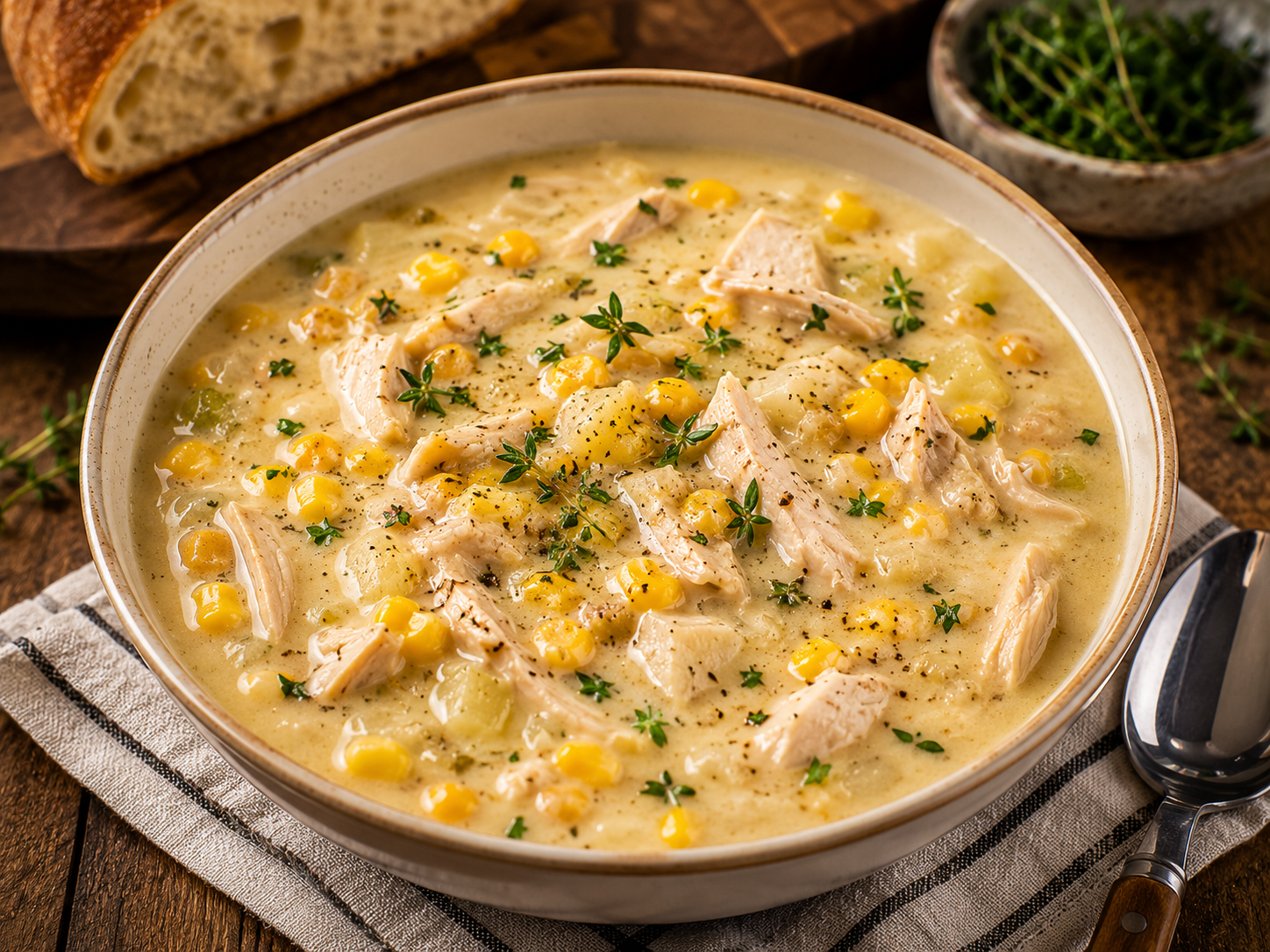
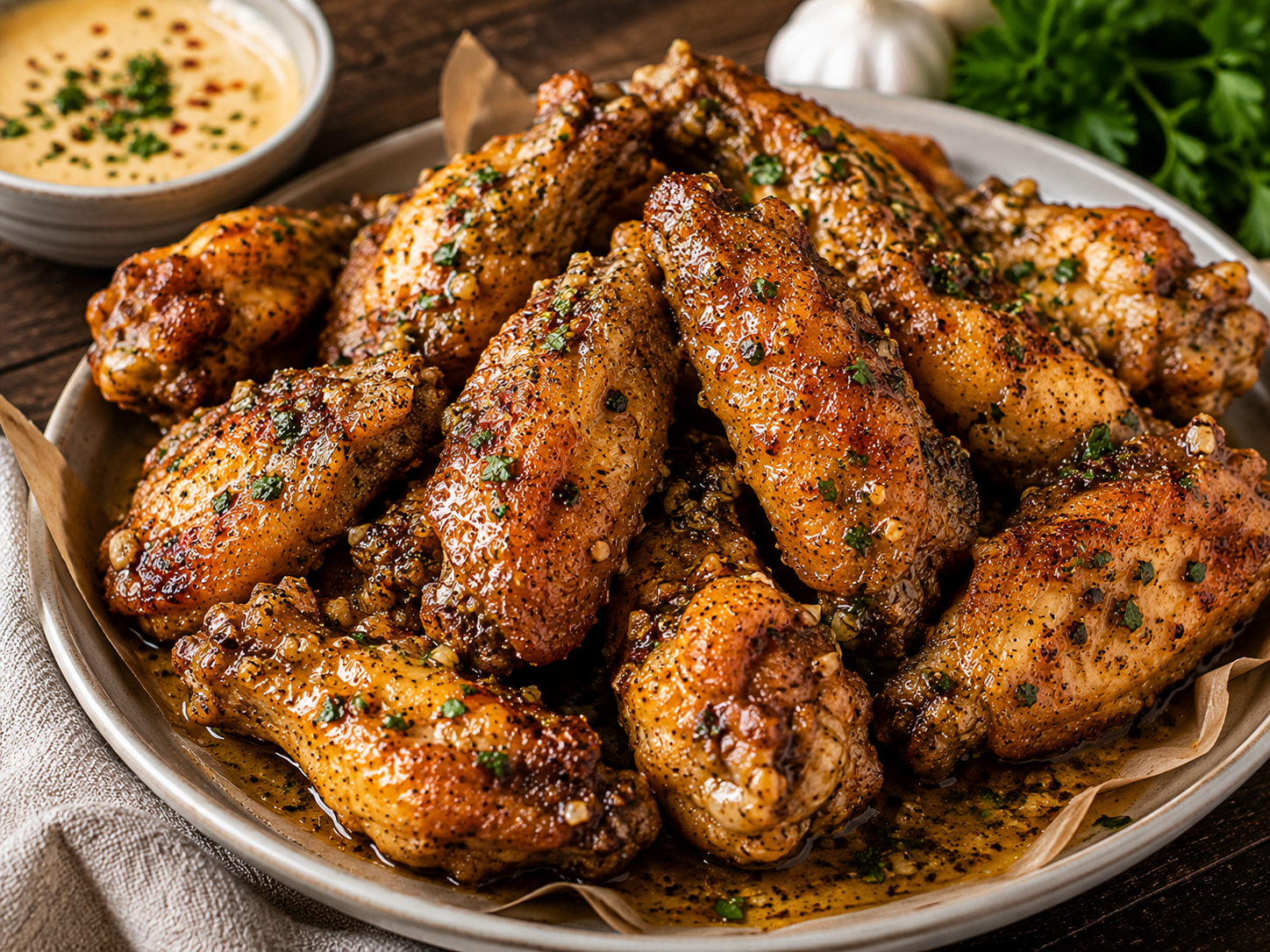
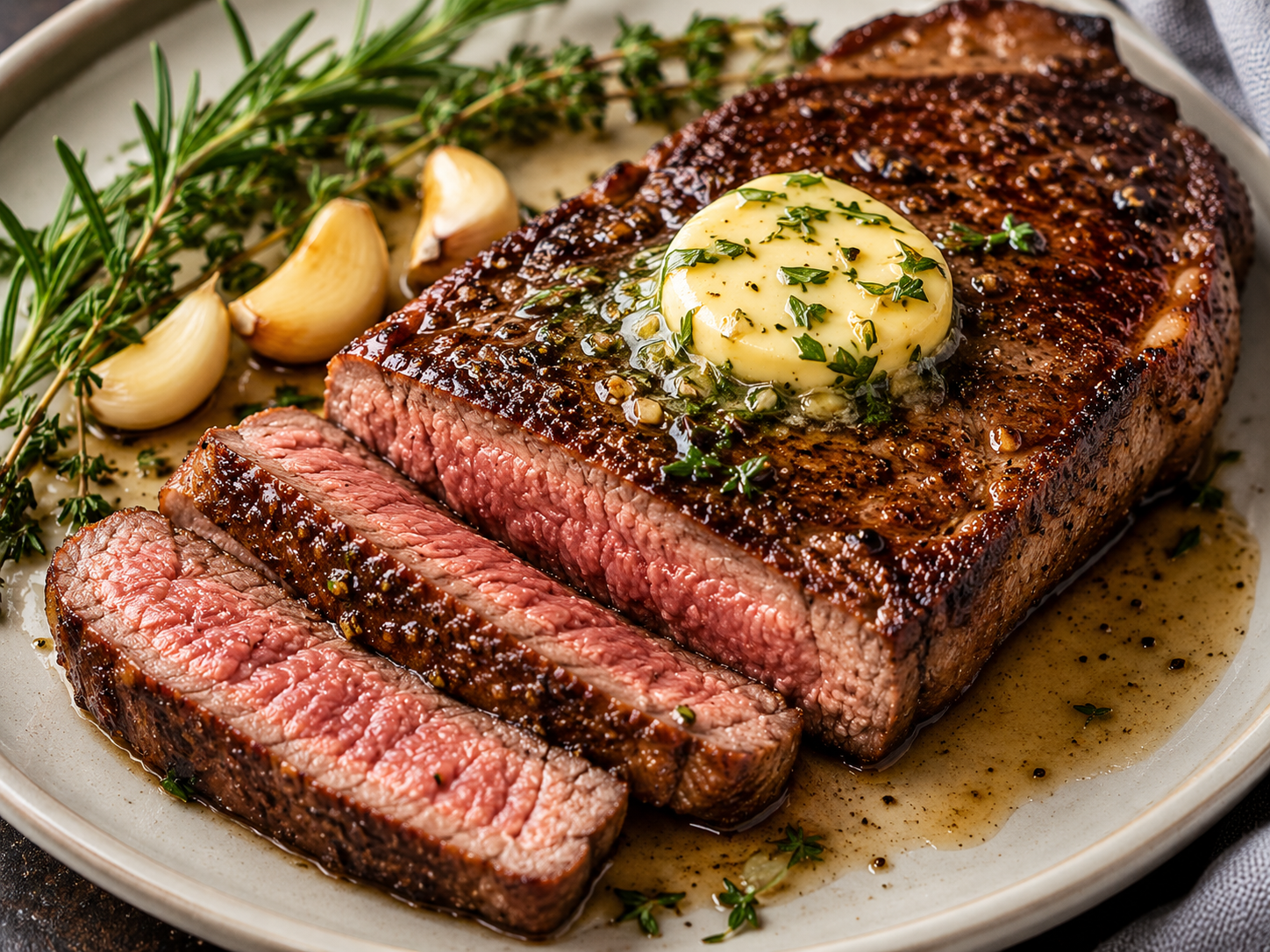
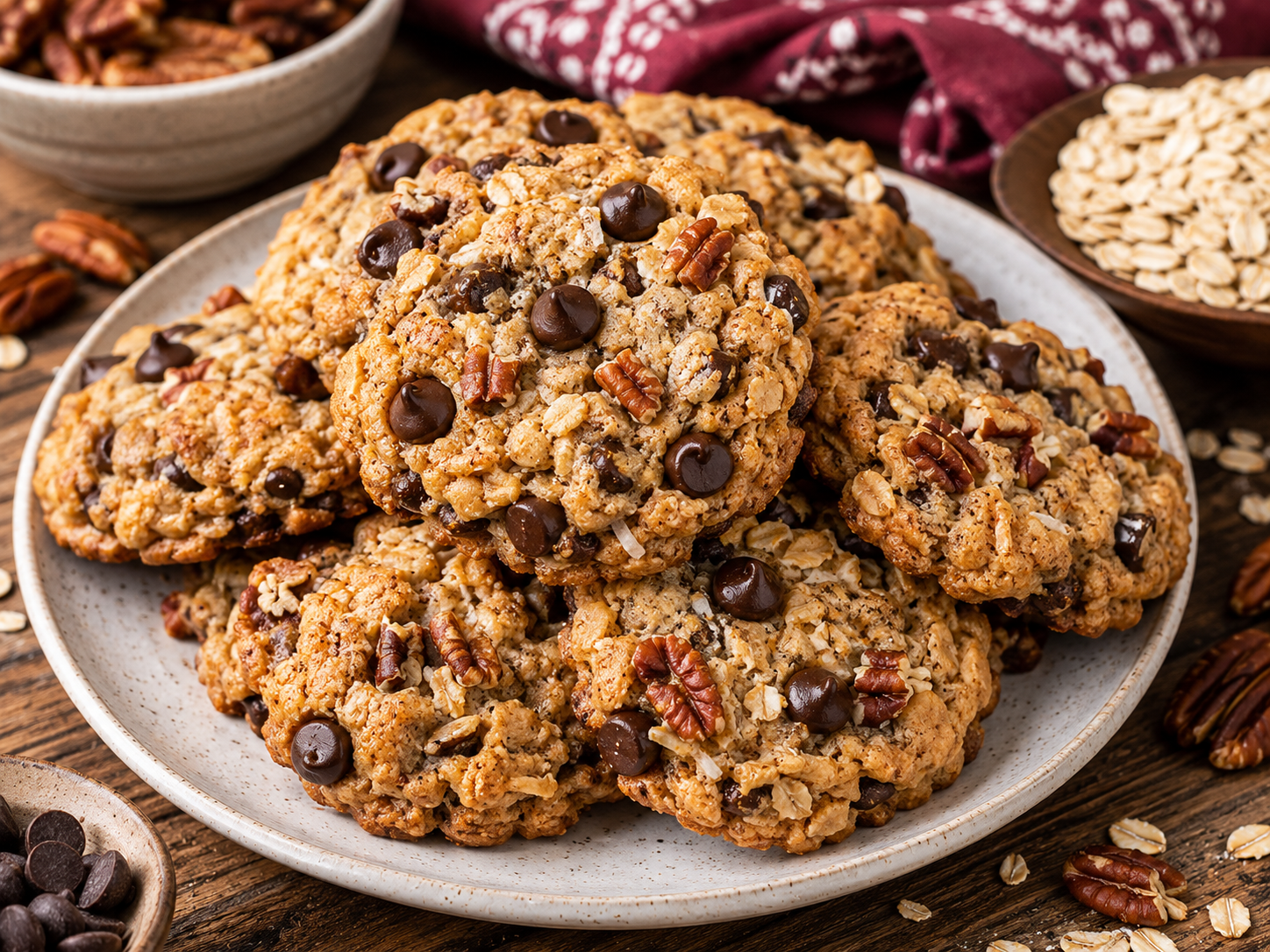
Reference photos to help you picture the finished recipe.
💡 tips
استخدم مقياس حرارة رقمي موثوق وأدخله في أسمك جزء مركزي من الروست متجنبًا الدهن أو العظم. اترك الروست يرتاح لفترة طويلة — الاستراحة مهمة مثل الطهي للحفاظ على العصارة. إذا بدأت القشرة بالاحمرار الزائد، غطها بقطعة ألمنيوم بشكل خفيف. للحصول على دخان متناسق، استخدم كمية صغيرة من الخشب المستمر بدلًا من قطع كبيرة تسبب تقلبات.
🔄 substitutions
لخفض السكر، احذف السكر البني أو استبدله بسكر جوز الهند. استخدم مرق دجاج أو خضار بدل مرق لحم البقر لنكهة أخف. استبدل البابريكا المدخنة ببابريكا عادية مع رشة شيبوتل إذا رغبت في حدة. إذا لم يتوفر ورق الجزار، فالألمنيوم بديل فعال.
📦 storage
برد المتبقيات إلى درجة حرارة الغرفة، ثم احفظها في حاوية محكمة الإغلاق في الثلاجة حتى 4 أيام. أعد التسخين بلطف مع رشة من المرق في قدر مغطى أو بالفرن على 300°F حتى يسخن للحفاظ على الرطوبة. جمد الأجزاء المقطعة أو المسحوبة في أكياس تجميد حتى 3 أشهر؛ اتركها تذوب ليلًا في الثلاجة قبل إعادة التسخين.